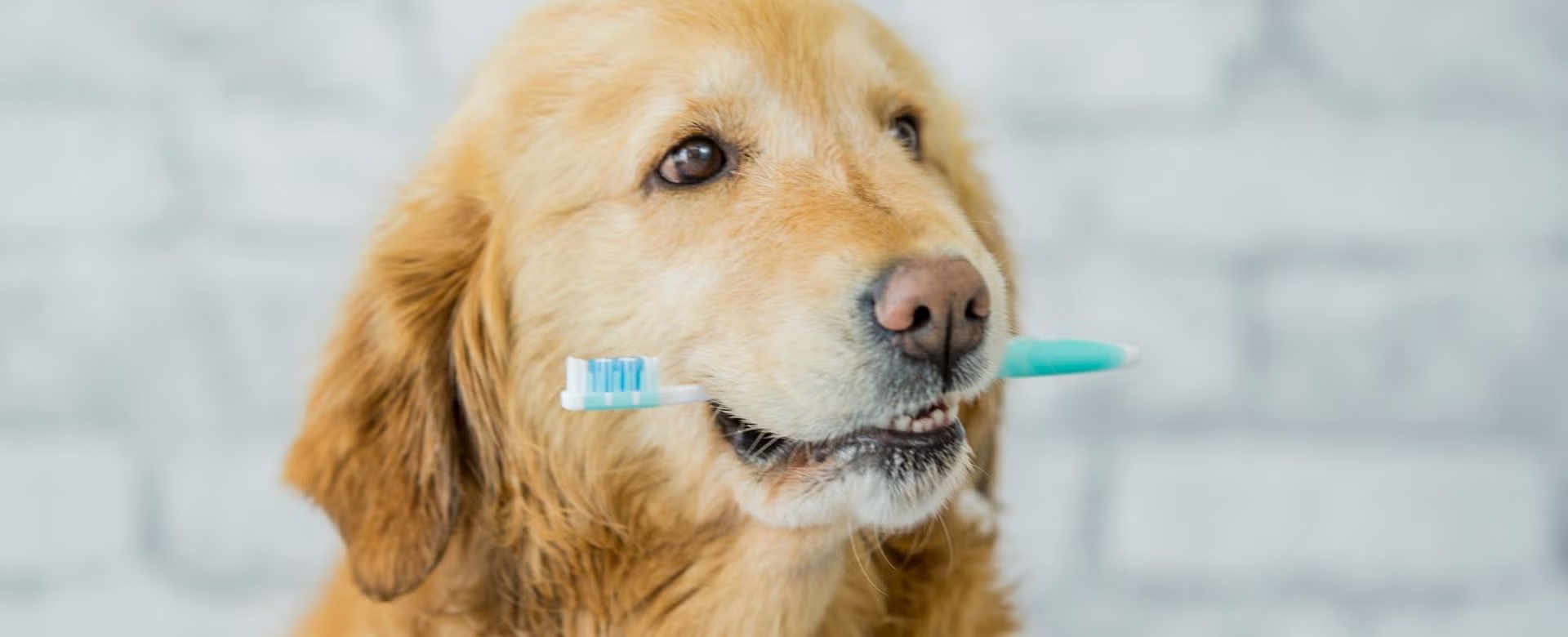
 A healthy mouth is essential to your pet's overall health and quality of life. At Ancare Veterinary Hospital, we provide comprehensive dental care for dogs and cats in La Salle and the surrounding communities. From preventive cleanings and oral exams to advanced dental procedures, our experienced veterinary team is committed to helping your pet maintain a healthy smile for years to come.
Dental disease is one of the most common health conditions seen in pets, yet it often goes unnoticed until it causes discomfort or more serious health concerns. Routine dental care can help prevent pain, tooth loss, and infections while supporting your pet's overall well-being.
Advanced Dental Care for Your Pet
Keeping your pet's teeth and gums healthy can feel like a big job, but our team is here to help. In addition to routine preventive care, we provide advanced veterinary dentistry services to diagnose, treat, and manage dental disease.
Because pets don't brush their teeth every day like people do, plaque and tartar can build up over time. Left untreated, this buildup can lead to periodontal disease, tooth loss, pain, and infection.
Professional Dental Cleanings
Professional dental cleanings are the foundation of good oral health. During your pet's dental procedure, we perform a thorough oral examination and use specialized dental instruments to remove plaque and tartar from the teeth, both above and below the gum line. We then polish the teeth to help slow future plaque accumulation.
Tooth Extractions and Periodontal Care
Our goal is always to preserve as many healthy teeth as possible. However, when a tooth is severely damaged, infected, or causing pain, extraction may be the best option to protect your pet's health and comfort.
If left untreated, diseased teeth can affect surrounding tissue and neighboring teeth. Early detection of periodontal disease often allows for more treatment options and better long-term outcomes.
Safe Anesthesia and Patient Monitoring
For your pet's safety and comfort, dental procedures are performed under anesthesia. Before anesthesia, we perform a comprehensive physical examination and may recommend bloodwork to evaluate your pet's overall health.
During the procedure, we utilize local anesthetics and pain management techniques to keep your pet comfortable. Our veterinary team closely monitors your pet throughout the entire procedure, including:
- Heart rate
- Blood pressure
- Oxygen saturation
- Carbon dioxide levels
- Body temperature
Your pet's safety is always our highest priority.
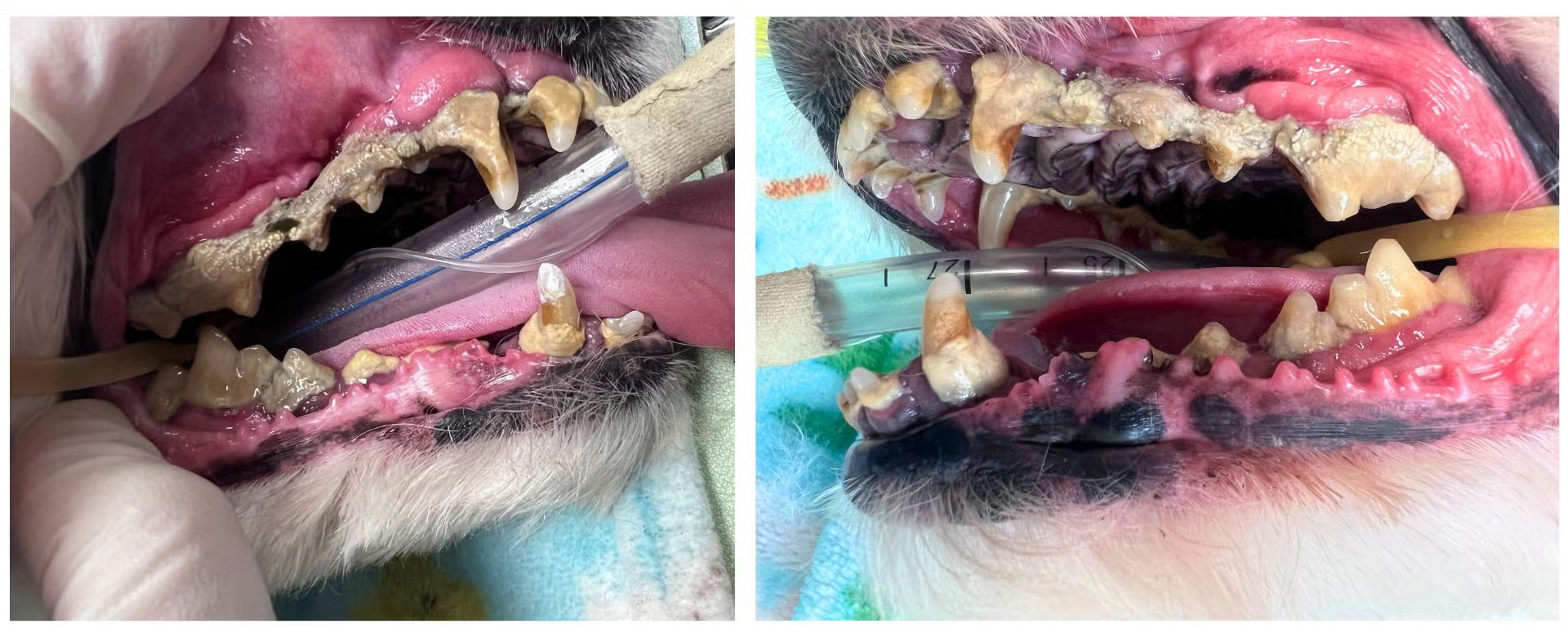
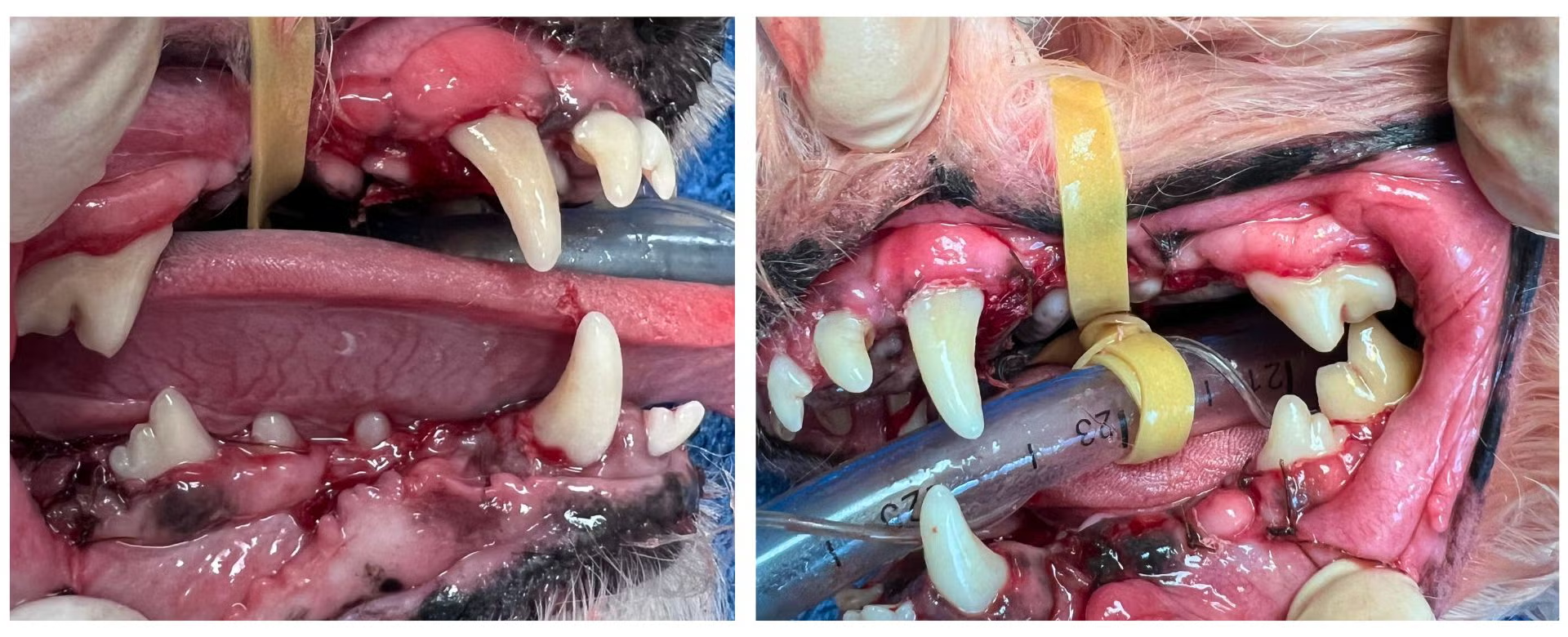
See the Difference Professional Dental Care Can Make
Dental disease often develops gradually, making it difficult to recognize until significant tartar buildup or gum disease is present. Our before-and-after dental cleaning photos showcase the dramatic improvements that professional dental care can provide and highlight the importance of routine dental examinations and cleanings.
Why Dental Health Matters
Dental disease affects more than just your pet's mouth. Bacteria associated with dental infections can enter the bloodstream and potentially impact vital organs such as the heart, liver, and kidneys.
Routine dental care can help:
- Reduce pain and discomfort
- Prevent tooth loss
- Minimize bad breath
- Improve overall health
- Support a longer, happier life
Dental Care for Dogs and Cats
Every pet has unique dental needs based on their age, breed, and lifestyle. At Ancare Veterinary Hospital, we provide comprehensive dental care tailored to both dogs and cats.
Whether your companion needs a routine cleaning, treatment for dental disease, or a comprehensive oral health evaluation, our team is here to help.
Learn more about our species-specific dental services:
Signs Your Pet May Need a Dental Exam
Many pets show subtle signs of dental disease. Contact us if you notice any of the following:
- Chronic bad breath
- Excessive drooling
- Yellow or brown tartar buildup on the teeth
- Red, swollen, or bleeding gums
- Dropping food while eating
- Difficulty chewing
- Pawing at the mouth or face
- Missing, loose, or broken teeth
- Sensitivity when the mouth area is touched
- Loss of appetite
- Weight loss
Frequently Asked Questions About Pet Dental Care
How often should my pet have a professional dental cleaning?
Most dogs and cats benefit from a professional dental cleaning once a year. However, some pets may require more frequent dental care based on their breed, age, oral health, and medical history. During your pet's wellness exam, our veterinary team can recommend a dental care schedule that meets their individual needs.
How can I tell if my pet has dental disease?
Common signs of dental disease include bad breath, yellow or brown tartar buildup, red or bleeding gums, excessive drooling, difficulty chewing, dropping food while eating, loose teeth, and decreased appetite. Because pets often hide pain, regular dental exams are important for detecting problems early.
Is anesthesia necessary for pet dental cleanings?
Yes. Professional veterinary dental cleanings require anesthesia so your pet remains comfortable and still during the procedure. Anesthesia allows our team to thoroughly clean below the gum line, perform a complete oral examination, and obtain dental radiographs when needed. We carefully monitor your pet throughout the procedure to ensure their safety.
What happens during a professional pet dental cleaning?
A professional dental cleaning includes a comprehensive oral examination, removal of plaque and tartar above and below the gum line, polishing of the teeth, and an evaluation for signs of dental disease. If necessary, dental radiographs and tooth extractions may also be recommended.
Why is dental care important for dogs and cats?
Dental health affects your pet's entire body. Untreated dental disease can lead to pain, tooth loss, infections, and bacteria entering the bloodstream, potentially affecting the heart, liver, and kidneys. Routine dental care helps keep your pet healthy and comfortable.
At what age should my pet start receiving dental care?
Dental care should begin early in life. Puppies and kittens benefit from routine oral exams and getting accustomed to tooth brushing at home. Most adult pets should have their teeth evaluated during annual wellness exams to help prevent dental disease before it becomes severe.
Can bad breath in pets be a sign of dental disease?
Yes. Persistent bad breath is one of the most common signs of dental disease in dogs and cats. While occasional odor may occur, chronic bad breath is often caused by plaque, tartar buildup, gum disease, or oral infection and should be evaluated by a veterinarian.
How can I help keep my pet's teeth clean between dental visits?
Regular tooth brushing is one of the most effective ways to maintain your pet's oral health at home. Dental chews, dental diets, water additives, and veterinarian-recommended oral care products can also help reduce plaque and tartar buildup between professional cleanings.
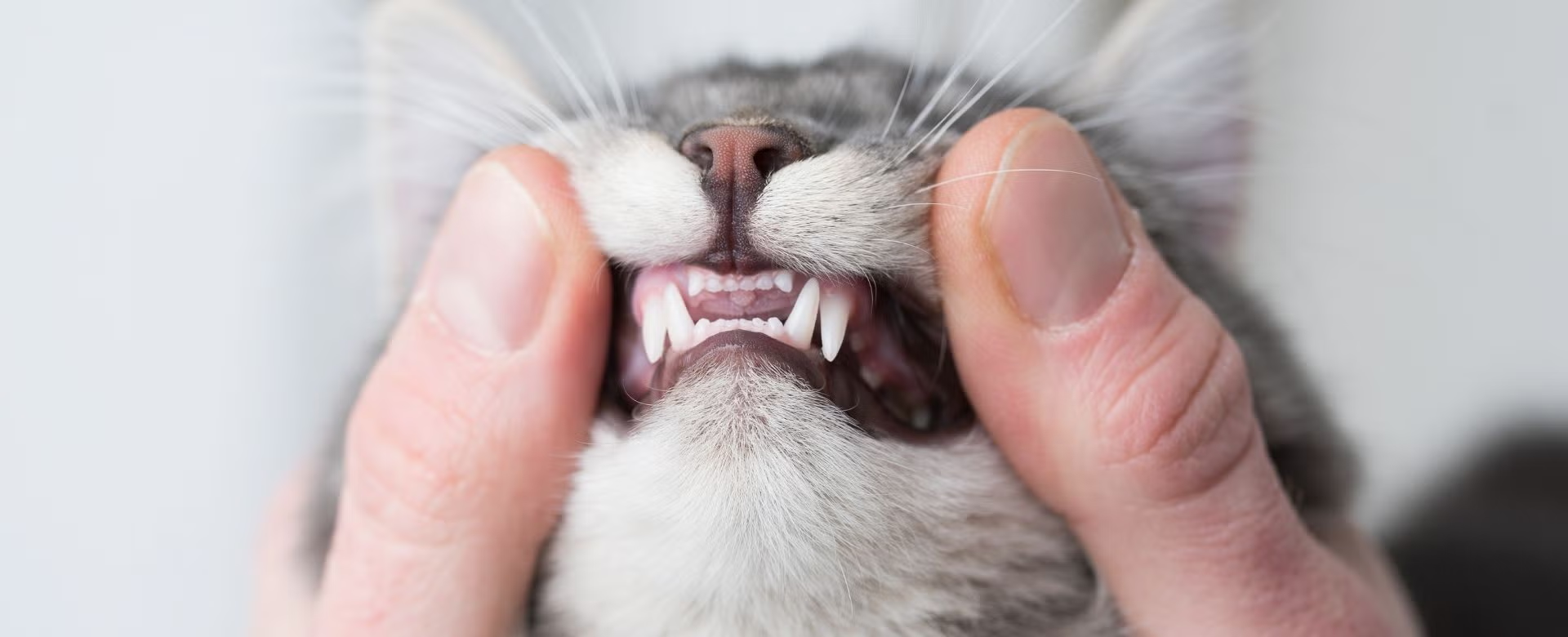
Schedule Your Pet's Dental Exam
Annual dental evaluations are an important part of your pet's preventive healthcare plan. By identifying dental issues early, we can often provide simpler, more effective treatment before problems become painful or severe.
If you've noticed signs of dental disease or it's been more than a year since your pet's last dental exam, contact Ancare Veterinary Hospital today to schedule an appointment at (815) 223-1000 or email us at [email protected].
We look forward to helping your pet enjoy a healthier mouth and a brighter smile.